
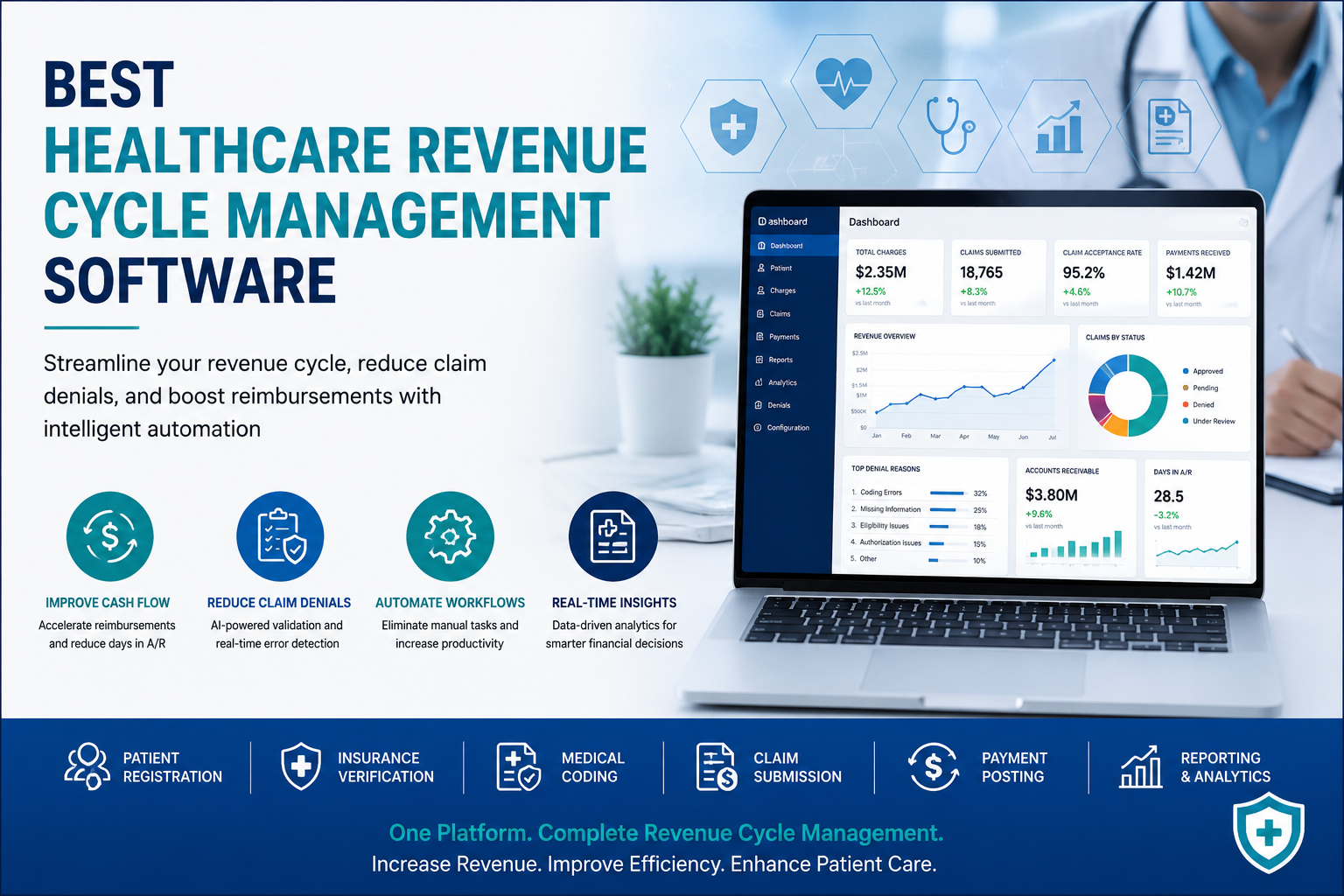
Healthcare organizations manage many financial and administrative tasks every day. Billing operations, insurance claims, payment tracking, and patient financial management require accuracy and speed. Manual processes often create delays, billing errors, and operational inefficiencies. This is why many healthcare providers are investing in Best Healthcare Revenue Cycle Management Software solutions to improve workflow management and financial performance.
Modern healthcare businesses need better operational visibility and faster payment processing to maintain stable revenue growth. Advanced digital platforms now help organizations automate repetitive tasks and improve administrative productivity.
Main advantages include:
- Faster billing operations
- Better claim tracking
- Improved payment collection
- Reduced administrative workload
- Better reporting accuracy
- Improved workflow efficiency
Many healthcare providers now depend on Best Healthcare Revenue Cycle Management Software to simplify financial management while improving patient service quality and operational performance.
Understanding Revenue Cycle Operations
What Is Revenue Cycle Management
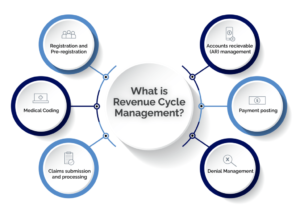
Revenue cycle management is the complete financial process used by healthcare providers to manage patient billing and insurance payments. The process begins with patient registration and ends after final payment collection.
Important stages include:
- Patient scheduling
- Insurance verification
- Medical coding
- Claim submission
- Payment collection
- Financial reporting
Healthcare organizations use modern software systems to improve these operations and reduce delays.
Why Automation Is Important
Manual billing systems often require employees to spend many hours handling repetitive administrative work. Automated systems improve workflow speed and reduce operational pressure.
Healthcare providers benefit from:
- Better cash flow
- Faster billing cycles
- Improved claim accuracy
- Better financial monitoring
- Reduced paperwork
Many organizations choose Best Healthcare Revenue Cycle Management Software because automation helps improve operational productivity and long-term financial stability.
Main Features of Modern Platforms
Automated Billing Systems
Automated billing tools help healthcare organizations process invoices and insurance claims more efficiently.
Main advantages include:
- Reduced manual work
- Faster billing operations
- Improved payment processing
- Better claim accuracy
Insurance Verification
Modern software platforms verify insurance information before treatment begins. This reduces payment delays and billing complications.
Financial Reporting Tools
Healthcare managers use reporting systems to monitor operational performance and identify financial trends quickly.
Patient Payment Management
Digital payment systems help patients make secure online payments through user-friendly platforms.
Benefits for Healthcare Organizations
Improved Financial Performance
Healthcare providers improve cash flow through faster claim processing and better payment collection systems.
Reduced Administrative Burden
Employees spend less time handling paperwork and repetitive billing operations.
Better Patient Experience
Clear billing communication and digital payment systems improve patient satisfaction.
Faster Operational Workflows
Healthcare organizations improve overall efficiency by automating financial operations.
Many providers now rely on Best Healthcare Revenue Cycle Management Software to improve operational visibility and maintain better workflow consistency.
Importance of Claim Management
Reducing Claim Rejections
Claim denials create financial challenges for hospitals and clinics. Automated systems help reduce documentation mistakes before claim submission.
Faster Insurance Processing
Advanced software improves communication between healthcare organizations and insurance companies.
Better Documentation Accuracy
Digital platforms improve record management and reduce operational errors during billing activities.
Challenges in Traditional Financial Systems
Manual Data Entry Problems
Manual systems increase the possibility of billing inaccuracies and delayed payments.
Slow Administrative Processes
Healthcare staff often spend many hours managing paperwork and claim-related tasks.
Limited Financial Visibility
Without digital platforms, organizations may struggle to monitor operational performance effectively.
Compliance Requirements
Healthcare organizations must follow strict financial and patient information regulations.
Modern healthcare providers use Best Healthcare Revenue Cycle Management Software to overcome these operational challenges more efficiently.
Cloud-Based Revenue Cycle Systems
Benefits of Cloud Technology
Cloud-based platforms provide flexibility and better operational scalability for healthcare organizations.
Main benefits include:
- Easy remote access
- Automatic software updates
- Lower infrastructure costs
- Better operational flexibility
Remote Workforce Support
Cloud systems allow employees to access billing data securely from different locations.
Better Data Security
Modern platforms include advanced security features to protect financial and patient information.
Role of Automation in Healthcare Finance
Workflow Optimization
Automation technology reduces repetitive work and improves operational speed.
Better Resource Management
Healthcare organizations can allocate employees to higher-priority tasks instead of manual paperwork.
Real-Time Monitoring
Managers can track financial operations and payment activities instantly.
Better Revenue Forecasting
Analytics tools help organizations improve budgeting and financial planning.
Healthcare providers adopting Best Healthcare Revenue Cycle Management Software often experience better operational efficiency and stronger revenue performance.
Industries Using Revenue Cycle Platforms
Hospitals
Large hospitals use digital systems to improve billing operations and insurance claim management.
Clinics
Private clinics simplify financial workflows through automated billing platforms.
Diagnostic Centers
Testing laboratories use revenue management tools to improve documentation and payment processing.
Healthcare Service Providers
Medical outsourcing companies use automation systems to improve productivity and workflow efficiency.
Future Trends in Revenue Cycle Management
Artificial Intelligence Integration
Future systems will improve financial analysis and billing automation through advanced intelligence technology.
Improved Patient Engagement
Healthcare organizations will provide better payment communication through digital platforms.
Advanced Analytics
Modern systems will deliver deeper operational insights for financial decision-making.
Greater Automation
Automation technology will continue reducing administrative pressure in healthcare operations.
The demand for Best Healthcare Revenue Cycle Management Software is expected to increase significantly as healthcare organizations continue modernizing their financial operations.
Tips for Choosing the Right Platform
Understand Business Requirements
Healthcare organizations should analyze operational needs before selecting a financial management platform.
Evaluate Security Standards
Strong security protection is important for patient and financial information management.
Review Integration Features
The platform should integrate smoothly with existing healthcare software systems.
Compare Pricing Options
Organizations should compare long-term software costs carefully before making investment decisions.
Request Product Demonstrations
Testing the platform helps organizations understand functionality and operational benefits.
Also Read – Data Loss Prevention Magic Quadrant Guide for Modern Businesses
Conclusion : Best Healthcare Revenue Cycle Management Software
Modern healthcare organizations require efficient financial systems to manage billing operations, insurance claims, and patient payment processes successfully. Best Healthcare Revenue Cycle Management Software helps hospitals, clinics, and healthcare service providers automate administrative tasks while improving financial performance and workflow efficiency.
Traditional billing methods often create operational delays, claim denials, and unnecessary paperwork that affect productivity and patient satisfaction. Digital revenue cycle systems help organizations reduce manual work, improve reporting accuracy, and strengthen financial visibility. Healthcare providers also benefit from faster payment collection and improved communication with insurance companies.
As healthcare technology continues evolving, more organizations will invest in Best Healthcare Revenue Cycle Management Software to improve operational scalability and long-term financial stability. Businesses adopting modern revenue management systems today can strengthen operational performance, improve patient service quality, and maintain better financial growth in the future.
FAQs : Best Healthcare Revenue Cycle Management Software
What is Best Healthcare Revenue Cycle Management Software?
It is a digital platform that helps healthcare organizations manage billing, insurance claims, payment collection, and financial operations more efficiently.
Why do hospitals use revenue cycle management systems?
Hospitals use these systems to improve billing accuracy, reduce claim denials, and improve operational productivity.
Can automated billing systems reduce administrative work?
Yes. Automated systems reduce repetitive paperwork and improve workflow efficiency for healthcare employees.
Is cloud-based revenue cycle software secure?
Most modern platforms include advanced security systems to protect financial and patient information.
Which healthcare organizations use revenue cycle software?
Hospitals, clinics, laboratories, and healthcare outsourcing companies commonly use these platforms.