
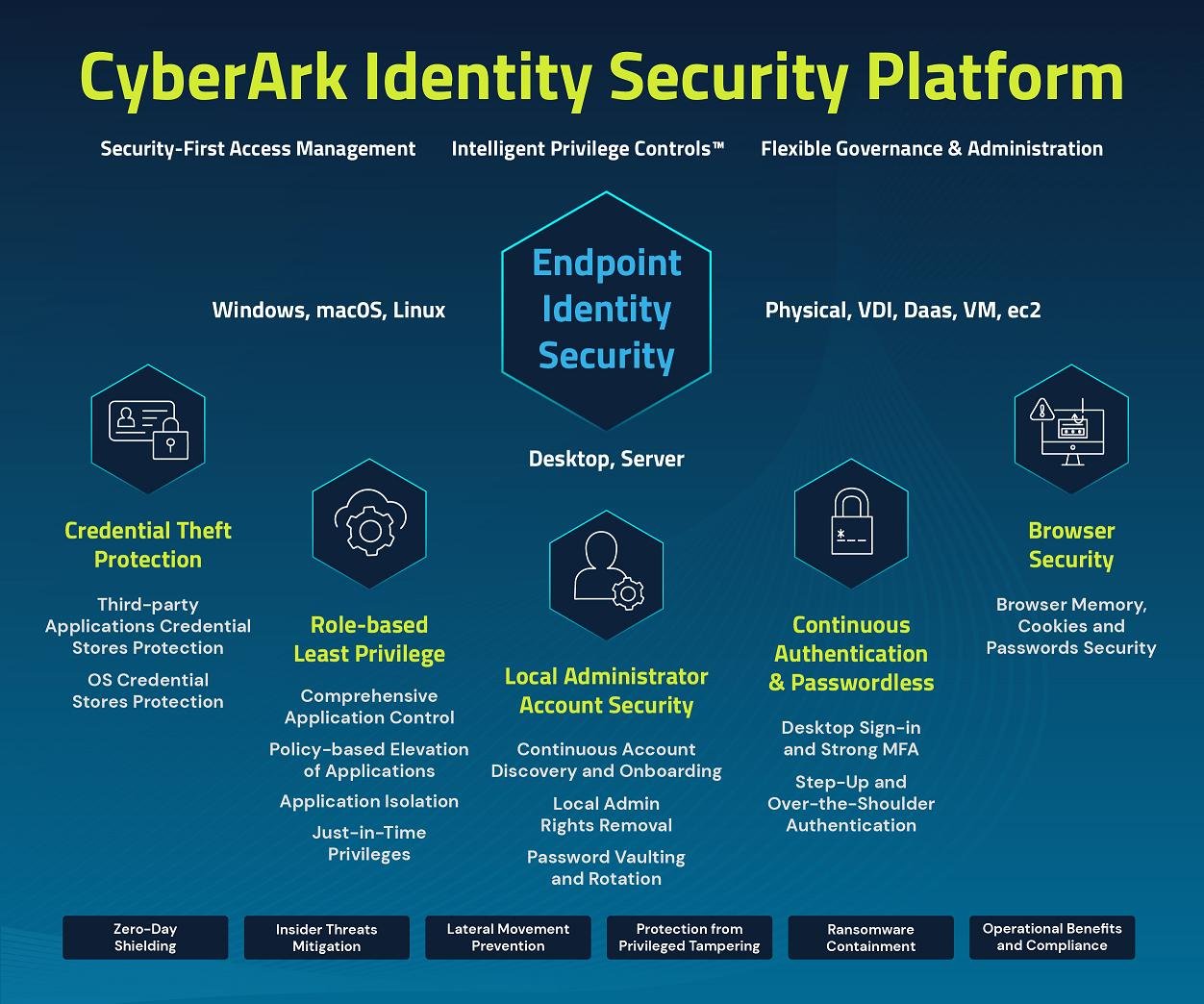
Endpoint Privilege Management Software is becoming one of the most important cybersecurity tools for modern businesses. Companies today manage remote employees, cloud systems, enterprise applications, and sensitive business information across multiple devices. Because of this, businesses must protect endpoints from ransomware, malware, insider threats, and unauthorized administrator access.
Traditional administrator permissions often create security risks because employees receive more access than necessary. Modern businesses now use advanced privilege management systems to reduce these risks and improve endpoint protection.
Many organizations prefer Beyondtrust Endpoint Privilege Management because it provides strong security controls and detailed monitoring features. Companies using Windows environments also rely heavily on Beyondtrust Privilege Management For Windows to improve device security and reduce attack risks.
Businesses using Microsoft environments often choose Endpoint Privilege Management because it integrates with cloud infrastructure and remote workforce management systems. Modern enterprises also use Endpoint Privilege Management Intune solutions to improve centralized device management.
Main benefits of endpoint privilege management include:
- Reduced ransomware risks
- Better administrator control
- Improved endpoint protection
- Reduced insider threats
- Better compliance management
- Safer remote workforce security
- Improved cloud integration
- Better access monitoring
Businesses investing in modern privilege management systems improve cybersecurity performance and long-term operational security.
What Is Endpoint Privilege Management Software?
Endpoint Privilege Management Software helps businesses control administrator permissions and user access on company devices. These systems reduce security risks by limiting unnecessary administrative privileges.
Modern privilege management systems follow least privilege security principles. Users receive only the access required for their jobs.
Why Endpoint Security Is Important
Endpoint devices often become major attack targets.
Important risks include:
- Malware attacks
- Ransomware infections
- Unauthorized software installation
- Insider threats
- Credential theft
Businesses using Microsoft Endpoint Privilege Management improve security visibility and endpoint control.
Main Features of Privilege Management Software
Most platforms provide:
- Application control
- Access monitoring
- User privilege management
- Threat detection
- Security reporting
- Device policy management
These features help businesses improve cybersecurity protection.
Beyondtrust Endpoint Privilege Management
Many businesses prefer Beyondtrust Endpoint Privilege Management because it offers advanced endpoint security controls and enterprise monitoring systems.
Main Benefits of BeyondTrust Solutions
Important benefits include:
- Better privilege control
- Reduced attack surfaces
- Strong application security
- Centralized management
- Advanced reporting tools
Businesses often use these systems to improve compliance and operational security.
Beyondtrust Privilege Management For Windows
Organizations using Windows environments depend heavily on Beyondtrust Privilege Management For Windows.
Main advantages include:
- Windows administrator control
- Application whitelisting
- Security policy management
- Reduced ransomware exposure
- Better endpoint monitoring
These tools help businesses protect Windows-based infrastructure effectively.
Microsoft Endpoint Privilege Management
Modern businesses using Microsoft ecosystems often choose Microsoft Endpoint Privilege Management because it integrates directly with Microsoft security environments.
Benefits of Microsoft Integration
Main advantages include:
- Better cloud integration
- Centralized device management
- Easier policy deployment
- Improved remote management
- Better Azure compatibility
Microsoft environments benefit from integrated security management systems.
Endpoint Privilege Management Intune
Many companies also use Endpoint Privilege Management Intune solutions to improve remote device security.
Important capabilities include:
- Remote policy deployment
- Device compliance management
- User access controls
- Application permissions
- Cloud endpoint monitoring
Intune helps businesses manage distributed workforces more effectively.
Benefits of Endpoint Privilege Management Software
Modern businesses receive many security advantages from privilege management systems.
Better Cybersecurity Protection
Privilege management reduces risks related to:
- Malware attacks
- Ransomware threats
- Unauthorized software
- Insider misuse
- Credential abuse
Businesses improve security by limiting unnecessary access.
Improved Compliance Management
Many industries require stronger access controls.
Privilege management systems support:
- HIPAA compliance
- SOC 2 compliance
- GDPR requirements
- PCI DSS security standards
Compliance improves enterprise credibility and customer trust.
Better Remote Workforce Security
Remote work environments require stronger endpoint security.
Privilege management systems help businesses:
- Monitor remote devices
- Control software installation
- Secure employee access
- Reduce endpoint vulnerabilities
These capabilities improve operational security.
Important Features Businesses Should Compare
Companies should compare several features before selecting software.
Access Control Features
Important features include:
- Role-based permissions
- Temporary administrator access
- User authentication systems
- Access approval workflows
Threat Detection Capabilities
Strong platforms provide:
- Real-time monitoring
- Malware detection
- Threat alerts
- Security analytics
Reporting and Monitoring Tools
Businesses should compare:
- Compliance reporting
- Endpoint dashboards
- Audit logs
- Security summaries
These features improve operational visibility.
Also Check – SOC 2 Compliance Vendors : Startups and SaaS Companies
Challenges Businesses Face During Deployment
Some organizations experience implementation challenges.
Employee Resistance
Employees sometimes resist reduced administrator access because they are used to unrestricted permissions.
Technical Integration
Large businesses may struggle with:
- Legacy systems
- Multiple operating systems
- Cloud integrations
- Application compatibility
Training Requirements
Employees need training for:
- Access request procedures
- Security policies
- Endpoint protection standards
Proper training improves deployment success.
Future Trends in Endpoint Privilege Management
The endpoint security market continues evolving quickly.
AI-Powered Security Monitoring
AI systems now help businesses improve:
- Threat detection
- User behavior analysis
- Risk management
- Security automation
Cloud-Native Endpoint Security
Modern businesses increasingly prefer cloud-native management platforms.
Zero Trust Endpoint Security
Many organizations combine privilege management with zero trust security strategies.
This improves:
- Identity verification
- Device security
- Access management
- Threat prevention
FAQs
What is Endpoint Privilege Management Software?
It is a cybersecurity system that controls administrator permissions and user access on endpoint devices.
Why do businesses use Beyondtrust Endpoint Privilege Management?
Businesses use it to reduce security risks, improve compliance, and protect enterprise systems.
What is Microsoft Endpoint Privilege Management?
It is a Microsoft security solution that helps businesses manage endpoint privileges and access controls.
What does Endpoint Privilege Management Intune do?
It helps businesses manage endpoint security policies and remote device permissions through Microsoft Intune.
Why is privilege management important?
Privilege management reduces ransomware risks and limits unauthorized administrator access.
Conclusion
Endpoint Privilege Management Software is becoming essential for businesses that want stronger cybersecurity protection and better endpoint control. Companies managing remote employees, cloud systems, and enterprise devices must reduce administrator risks and improve access management.
Many organizations use Beyondtrust Endpoint Privilege Management because it improves visibility, reduces attack surfaces, and strengthens endpoint security. Businesses operating Windows environments also benefit from Beyondtrust Privilege Management For Windows because it improves administrator control and policy enforcement.
Companies using Microsoft ecosystems often depend on Microsoft Endpoint Privilege Management and Endpoint Privilege Management Intune solutions to improve cloud integration and centralized device management.
Businesses investing in modern privilege management systems today will improve operational security, compliance performance, and long-term cybersecurity protection in the future.