
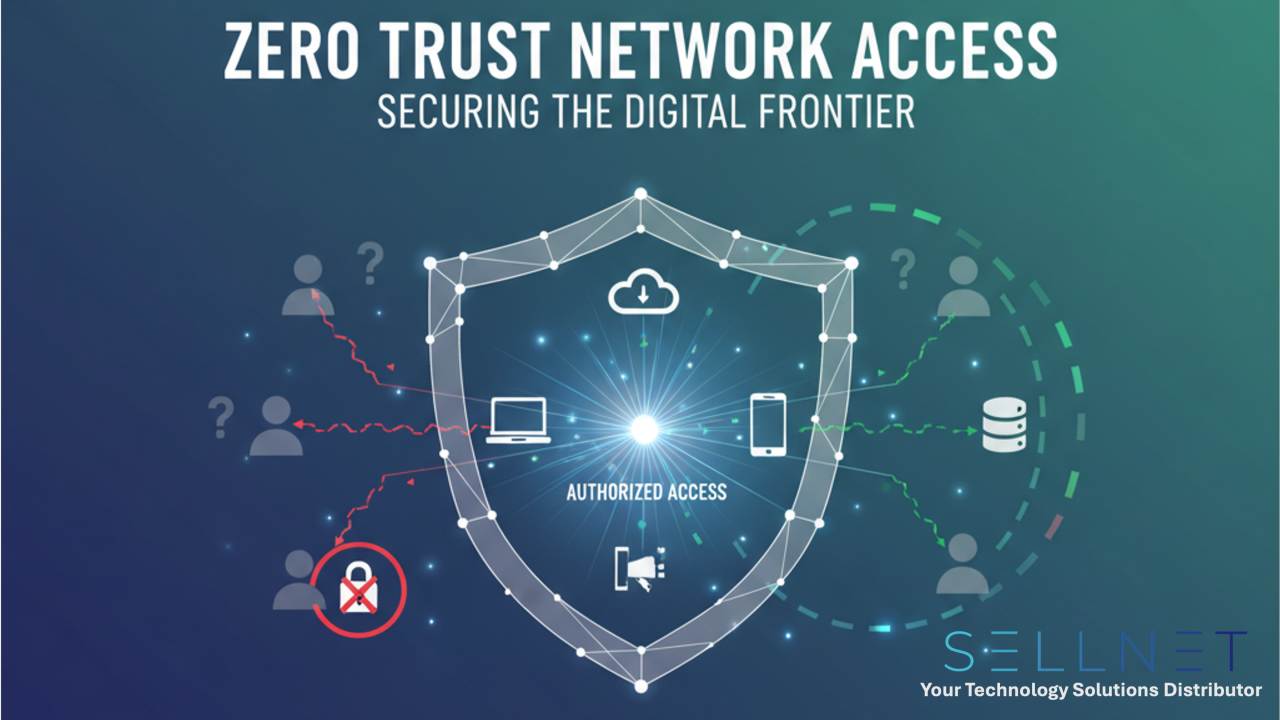
Zero Trust Network Access Solutions are becoming one of the most important cybersecurity technologies for modern businesses. Many companies in the USA are moving away from old VPN systems because cyber threats are increasing every year. Businesses now need stronger protection for remote employees, cloud applications, company devices, and internal business systems.
A modern Zero Trust Security Platform helps companies control who can access business resources. Instead of trusting every user automatically, the system checks user identity, device security, location, and login behavior before giving access.
Many organizations are also using Secure Remote Access Solutions because remote work and hybrid work environments are growing quickly. Businesses want secure systems that protect data without slowing employees.
Main benefits of using Zero Trust Network Access Solutions include:
- Better cloud security
- Improved remote employee protection
- Reduced ransomware attacks
- Strong identity verification
- Safer business application access
- Better compliance management
- Real-time threat monitoring
- Reduced VPN security risks
Modern businesses also prefer Enterprise Zero Trust Solutions because they improve security for cloud infrastructure, remote users, SaaS applications, and internal business networks.
This guide explains how zero trust technology works, why companies are adopting it, key features to compare, business benefits, pricing factors, and the future of zero trust cybersecurity.
What Are Zero Trust Network Access Solutions?
Zero Trust Network Access Solutions are cybersecurity systems designed to protect business applications, cloud systems, and company data. These platforms use identity-based security methods to verify every user before access is allowed.
Traditional network systems automatically trusted users inside company networks. Modern cybersecurity strategies no longer rely on this method because hackers can easily target weak devices, stolen passwords, and remote connections.
A strong Zero Trust Network Architecture follows the rule of “never trust, always verify.” Every login request is checked continuously.
Important parts of a zero trust model include:
- Identity verification
- Multi-factor authentication
- Device security monitoring
- Access policy management
- Cloud security controls
- User behavior analysis
- Threat detection systems
Businesses use these systems to reduce unauthorized access and improve data security.
How Zero Trust Security Works
A user first requests access to a business application. The system checks:
- User identity
- Device security status
- Login location
- User permissions
- Access behavior
- Network security level
If the user passes all security checks, access is granted.
Why Businesses Prefer Zero Trust
Companies prefer Enterprise Zero Trust Solutions because they protect cloud environments better than traditional VPN systems.
Benefits include:
- Reduced cyber attacks
- Better cloud security
- Improved employee access management
- Safer SaaS application usage
- Strong remote workforce protection
Why Traditional VPN Systems Are Becoming Outdated
Many businesses previously depended on VPN systems for remote access. However, traditional VPN systems have several security weaknesses.
VPN systems often provide broad network access after login. This increases security risks if attackers steal user credentials.
Modern Secure Remote Access Solutions are safer because they provide limited application-based access instead of full network access.
Problems With Traditional VPN Security
- Weak identity verification
- Poor device monitoring
- High ransomware risks
- Slow network performance
- Large attack surfaces
- Limited cloud compatibility
Why Zero Trust Is Better Than VPN
Zero Trust Security Platform technologies reduce risks by checking users continuously.
Important advantages include:
- Identity-based authentication
- Limited application access
- Real-time monitoring
- Better cloud integration
- Improved security visibility
Main Features of Zero Trust Network Access Solutions
Businesses should compare important security features before choosing a platform.
Identity Verification
A strong Zero Trust Security Platform should verify users using:
- Multi-factor authentication
- Biometric verification
- Device authentication
- Login behavior analysis
Endpoint Security Monitoring
Businesses need continuous monitoring for:
- Employee laptops
- Mobile devices
- Cloud endpoints
- Remote systems
Cloud Security Integration
Modern Enterprise Zero Trust Solutions should support:
- AWS
- Microsoft Azure
- Google Cloud
- SaaS applications
Threat Detection
AI-powered monitoring helps businesses detect:
- Suspicious logins
- Malware activity
- Data breaches
- Insider threats
Benefits of Zero Trust Security for Businesses
Businesses using Zero Trust Network Access Solutions receive many long-term security benefits.
Better Remote Workforce Protection
Remote employees often work from different locations and devices. Zero trust security checks every access request.
Improved Compliance
Businesses handling sensitive customer information must follow strict security regulations.
A strong Zero Trust Security Platform supports:
- HIPAA compliance
- SOC 2 compliance
- GDPR requirements
- PCI DSS security
Reduced Cybersecurity Risks
Businesses reduce risks related to:
- Phishing attacks
- Password theft
- Ransomware
- Unauthorized access
Best Industries Using Zero Trust Network Access Solutions
Many industries now use Enterprise Zero Trust Solutions because cyber threats continue growing.
Healthcare Industry
Hospitals and clinics protect:
- Patient records
- Medical devices
- Healthcare applications
- Remote medical systems
Financial Services
Banks use Secure Remote Access Solutions for:
- Fraud prevention
- Customer data protection
- Secure banking systems
- Employee access management
Technology Companies
Tech companies use zero trust security for:
- SaaS applications
- Cloud infrastructure
- Developer access
- API protection
Challenges Businesses Face During Deployment
Some companies experience challenges while implementing Zero Trust Network Access Solutions.
Complex Infrastructure
Large enterprises often manage:
- Old network systems
- Legacy applications
- Multiple cloud platforms
- Remote workforce devices
User Training
Employees need training for:
- MFA systems
- Secure login procedures
- Device security rules
- Access management policies
Integration Costs
Deployment costs may include:
- Software licensing
- Cloud migration
- IT consulting
- Security monitoring tools
Best Practices for Successful Zero Trust Implementation
Businesses should follow proper strategies when deploying Zero Trust Network Access Solutions.
Start With Identity Security
The first step is improving:
- Password management
- MFA security
- User authentication
- Access permissions
Protect Critical Applications
Businesses should secure:
- Financial systems
- HR software
- Customer databases
- Cloud applications
Monitor User Activity
Continuous monitoring helps detect:
- Unusual login behavior
- Suspicious activity
- Unauthorized access attempts
Future Trends in Zero Trust Security
The cybersecurity market is rapidly evolving.
Future trends include:
- AI-powered threat detection
- Passwordless authentication
- Cloud-native security platforms
- Automated access management
- Advanced user behavior analytics
Businesses investing in Enterprise Zero Trust Solutions today will improve long-term cybersecurity protection.
Also Check – Best Bookkeeping Software Small Business Owners
FAQs
What are Zero Trust Network Access Solutions?
They are cybersecurity systems that verify every user and device before access is granted to business applications and data.
Why are businesses replacing VPN systems?
Traditional VPN systems provide broad access and weaker security. Zero trust security provides limited and verified access.
Are Zero Trust Security Platforms expensive?
Pricing depends on company size, features, cloud infrastructure, and user count.
Which industries use zero trust security the most?
Healthcare, finance, SaaS, government, and technology companies use zero trust systems widely.
Can small businesses use zero trust security?
Yes. Many affordable cloud-based platforms now support small and medium businesses.
Conclusion
Zero Trust Network Access Solutions are becoming essential for modern businesses that want stronger cybersecurity protection. Companies can no longer rely only on traditional VPN systems because cyber threats continue increasing across cloud environments, remote workplaces, and enterprise networks.
A reliable Zero Trust Security Platform helps businesses protect sensitive data, verify users continuously, secure cloud applications, and reduce unauthorized access risks. Organizations also benefit from improved compliance management, better identity verification, and advanced threat monitoring.
Modern Secure Remote Access Solutions are especially useful for remote employees, hybrid workplaces, and businesses using SaaS applications. Companies can control user access more effectively while improving overall business security.
Many organizations are now investing in Enterprise Zero Trust Solutions because identity-based security models provide better long-term protection for cloud infrastructure and remote systems.
Businesses that adopt zero trust strategies early will improve security performance, customer trust, and operational safety in the coming years.
Zero Trust Network Access Solutions