


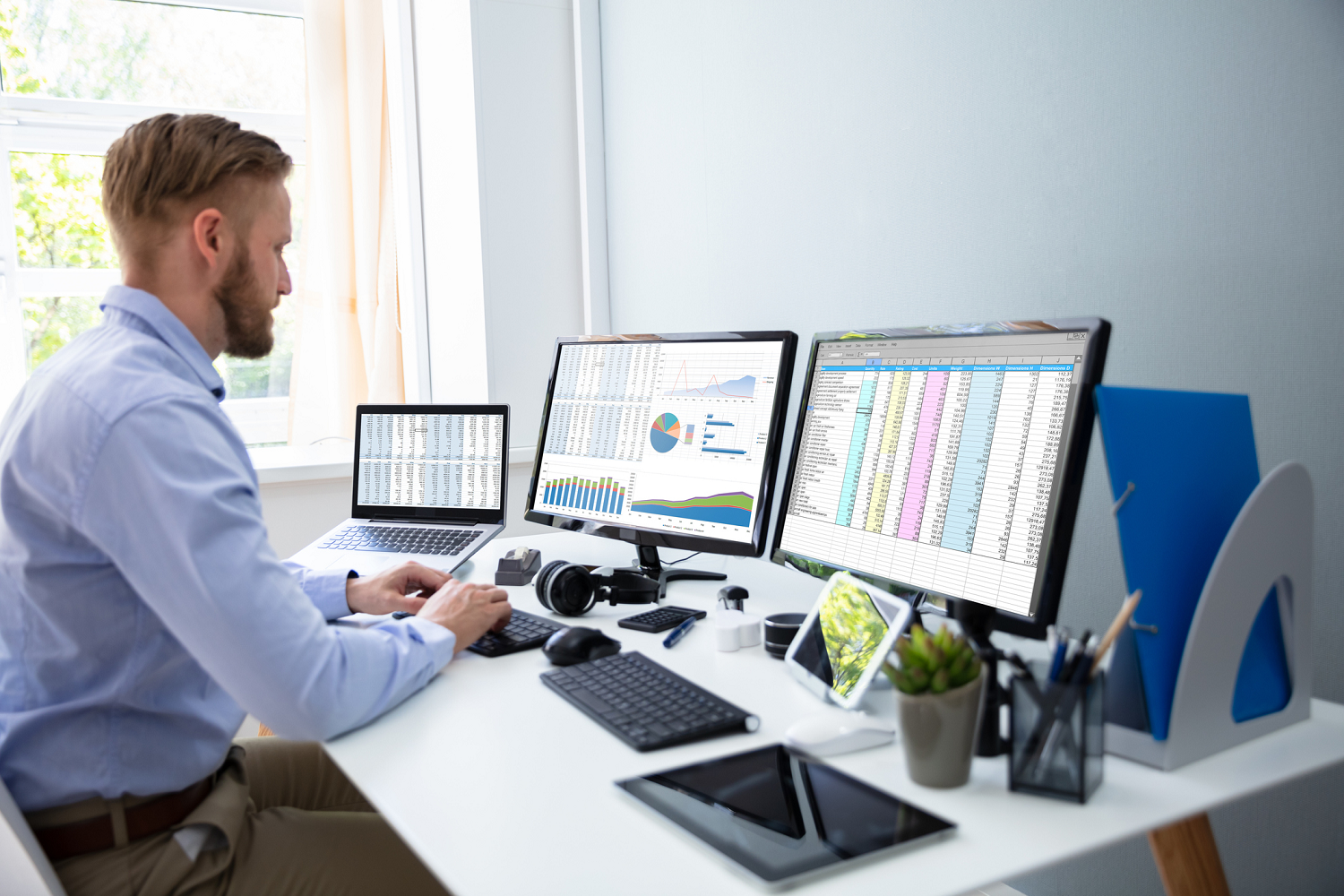
Bookkeeping Software : Every business needs proper financial management to run smoothly. Whether it is a small startup, freelancer business, online store, or local company, handling accounts manually can become difficult after business growth. Many companies face problems like missing invoices, incorrect calculations, delayed reports, and tax confusion because they still use old accounting methods.
Today, digital accounting systems are helping businesses organize financial data more efficiently. Modern software solutions make it easier to track expenses, create invoices, monitor profits, and manage taxes without spending too much time on manual work. This is why many business owners are moving towards online accounting platforms for better financial control.
Bookkeeping Software , One major advantage of modern accounting tools is automation. Businesses can automatically generate invoices, calculate taxes, track payments, and create reports in just a few clicks. Cloud technology has also improved accessibility because users can now access financial data from mobile phones, tablets, or laptops from anywhere.
Some important benefits include:
- Faster invoice creation
- Better expense management
- Easy payroll tracking
- Real-time financial reports
- Safe cloud storage
- Automatic backup systems
- Better business organization
Choosing the right accounting solution depends on business size, budget, and required features. A proper system helps businesses improve efficiency and reduce financial confusion in daily operations.
What Is Bookkeeping Software
Bookkeeping Software is a digital accounting system designed to manage and record financial activities for businesses. It helps companies organize income, expenses, invoices, payroll, taxes, and reports in one place.
Instead of maintaining paper records or spreadsheets, businesses can now use online accounting systems for better accuracy and convenience.
Most software platforms include:
- Invoice management
- Expense tracking
- Financial reports
- Tax calculations
- Payroll processing
- Bank reconciliation
Modern accounting systems also reduce manual calculations and save time for business owners.
Why Businesses Use Digital Accounting Systems
Managing business accounts manually takes more time and increases the risk of mistakes. Digital accounting solutions simplify many important financial tasks.
Better Accuracy
Manual calculations can create errors in reports and tax records. Accounting systems automatically calculate totals and balances.
Faster Reporting
Businesses can generate financial reports instantly without spending hours on calculations.
Improved Organization
All financial records remain stored in one system, making it easier to access data anytime.
Better Tax Preparation
Tax reports and GST calculations become much easier with automation tools.
Remote Access
Many companies now use Cloud Based Bookkeeping Software because employees and business owners can access records remotely.
Main Features to Look For
Different accounting platforms provide different features. Businesses should compare software carefully before choosing one.
Invoice Management
Invoices are one of the most important parts of financial management.
Good invoice systems provide:
- Professional invoice templates
- Automatic payment reminders
- Recurring billing
- Payment status tracking
Expense Tracking
Expense management tools help businesses monitor company spending properly.
Common expense categories include:
- Office expenses
- Employee salaries
- Marketing costs
- Utility bills
- Transportation charges
Payroll Processing
Payroll systems simplify salary calculations and employee payment management.
Financial Reports
Reports help business owners understand company performance clearly.
Important reports include:
- Profit and loss reports
- Balance sheets
- Expense summaries
- Tax reports
- Cash flow statements
Advantages of Cloud Based Bookkeeping Software
Cloud accounting systems are becoming more popular every year because they provide flexibility and convenience.
Easy Accessibility
Business owners can access records from home, office, or while traveling.
Automatic Data Backup
Cloud systems automatically save data online, reducing the risk of data loss.
Multi-User Access
Different employees can work together securely using the same platform.
Lower Hardware Costs
Businesses do not need expensive servers or storage systems.
Real-Time Updates
Financial data updates immediately after every transaction.
Many businesses now prefer Cloud Bookkeeping Software because it reduces operational difficulties.
Cloud Software vs Traditional Accounting Systems
| Feature | Cloud System | Traditional System |
|---|---|---|
| Data Access | Online Anywhere | Single Device |
| Backup | Automatic | Manual |
| Updates | Automatic | Manual |
| Collaboration | Multi-user | Limited |
| Setup Cost | Lower | Higher |
Traditional systems are slowly becoming outdated because cloud platforms offer more convenience and flexibility.
Popular Accounting Platforms for Small Businesses
Small businesses usually need affordable and easy-to-use accounting systems.
Xero
Bookkeeping Software Xero is widely used for invoice automation, reporting, and expense tracking.
QuickBooks
Popular among service businesses and accounting professionals.
Zoho Books
Affordable option for startups and growing businesses.
FreshBooks
Suitable for freelancers and consultants.
Wave Accounting
Useful free accounting solution for small business owners.
The Best Bookkeeping Software Small Business owners choose usually depends on their operational requirements and company size.
How Freelancers Benefit From Accounting Tools
Freelancers often handle multiple clients, invoices, and project payments every month. Without proper organization, payment tracking becomes difficult.
Accounting systems help freelancers:
- Generate invoices quickly
- Track client payments
- Monitor expenses
- Calculate taxes
- Review monthly income
Cloud systems also allow freelancers to access records anytime from mobile devices.
Ecommerce Accounting Management
Online businesses process many daily transactions. Ecommerce accounting requires proper management tools for better organization.
Important Features for Ecommerce Businesses
- Sales tracking
- Refund management
- Inventory tracking
- Tax calculations
- Payment gateway integration
Modern accounting systems connect with ecommerce platforms like Shopify and WooCommerce.
How Automation Helps Businesses
Automation reduces repetitive manual work and improves efficiency.
Automated Features Include
- Invoice reminders
- Tax calculations
- Expense categorization
- Report generation
- Payment tracking
Automation also helps reduce accounting mistakes and saves employee time.
Also Check – Emergency HVAC Repair Services for Quick Cooling
Security Features in Cloud Accounting Platforms
Financial data security is very important for businesses.
Important Security Features
- Data encryption
- Automatic backups
- Two-factor authentication
- User permission control
- Secure login systems
Professional cloud accounting providers invest heavily in cybersecurity protection.
Mobile Accounting Applications
Mobile accounting apps are helping business owners manage finances more conveniently.
Benefits of Mobile Access
- Send invoices quickly
- Upload receipts instantly
- Monitor cash flow remotely
- Check reports anytime
Most accounting providers offer mobile apps for Android and iPhone users.
Mistakes to Avoid While Choosing Accounting Software
Some businesses select accounting systems without proper research.
Common Mistakes
- Choosing overly complicated software
- Ignoring security features
- Not checking scalability
- Selecting software only based on low pricing
- Skipping demo versions
Businesses should compare features carefully before making a final decision.
Tips for Selecting the Right Platform
Choosing the right system becomes easier when businesses focus on practical requirements.
Understand Business Needs
Small businesses may only need basic invoice and expense features.
Compare Pricing
Monthly subscription plans should match the company budget.
Check Customer Support
Reliable support becomes important during technical issues.
Test Free Trials
Demo versions help businesses understand software usability.
Review Integrations
Software should support payment gateways, banking systems, and ecommerce platforms if needed.
Future of Digital Accounting
Accounting technology is improving rapidly every year. Artificial intelligence and automation are making financial management easier for businesses.
Future Trends Include
- AI-powered reports
- Smart expense tracking
- Voice-based accounting
- Real-time analytics
- Automated tax systems
Businesses using modern digital accounting systems will likely experience better efficiency in the coming years.
Conclusion
Managing financial records properly is essential for every business, regardless of size or industry. Companies that continue using manual accounting methods often struggle with calculation mistakes, delayed reports, and poor financial organization. Digital accounting systems solve many of these problems by simplifying daily accounting work and improving overall efficiency.
Modern accounting platforms help businesses organize invoices, expenses, payroll, taxes, and financial reports in one secure system. Cloud technology has further improved accessibility by allowing users to manage accounts remotely from laptops or mobile devices. Automation features also reduce repetitive tasks and save valuable working hours.
Small businesses, startups, freelancers, and ecommerce companies can all benefit from proper accounting management tools. Businesses should carefully compare pricing, security, integrations, scalability, and reporting features before selecting a platform.
Using Bookkeeping Software helps companies improve financial control, reduce paperwork, and manage operations more efficiently. As technology continues developing, digital accounting systems will become even more advanced and user-friendly, helping businesses achieve better financial management and long-term growth.
Frequently Asked Questions
What is bookkeeping software used for?
It is used to manage invoices, expenses, taxes, payroll, and financial reports digitally.
Is cloud accounting safe for businesses?
Yes, most professional cloud platforms provide encryption and secure backup systems.
Which accounting software is good for small businesses?
Popular options include Xero, QuickBooks, Zoho Books, and FreshBooks.
Can freelancers use accounting software?
Yes, freelancers use accounting systems for invoicing, expense tracking, and tax reporting.
Why do businesses prefer cloud accounting systems?
Cloud systems provide remote access, automatic backups, and real-time reporting.
Does accounting software support GST reports?
Most modern platforms provide GST and tax reporting features.
Can accounting systems connect with bank accounts?
Yes, many systems provide automatic bank integration features.
Is mobile access available in modern accounting software?
Yes, most providers offer mobile apps for Android and iPhone users.